


Last Updated on August 5, 2026 by Nadia Halfway
📜 Introduction.
If you have read my post 4-month in Canada, you already know I was living in Vancouver for a post-grad placement and when the office closed on Christmas, I headed to the complete opposite side of the country.
My destination was French Canada, and specifically the cities of Montréal and Québec City. I spent two nights in each, braving genuinely Arctic temperatures and eating my way through some of the best food in Canada.
After almost a month on the West Coast, walking into the cobblestone streets, French-language signs, and centuries-old European architecture of Québec felt like stepping onto another continent entirely. It was exactly what I had been missing.
This guide covers two main cities of French Canada, from Montréal’s cosmopolitan energy to Québec City’s magical old town.
⚠️Disclaimer: Some of the websites below are affiliate links or require a promo code for receiving a discount. If you book through them or use my personal promo code at the time of subscription or reservation, I’ll earn a small commission (at no extra cost to you), and you’ll get a discount or a special promotion too. It’s a win–win!
Please be aware that affiliate links may expire and promo codes may reach their usage limit. If you find that a link or code no longer works, kindly let me know. I’ll be happy to share an updated one (if available) directly with you.
📍 Montréal.
I arrived in Montréal expecting a big, cold Canadian city. What I found was something altogether more vibrant and unexpected. Even in December, with temperatures well below zero, the city was alive with Christmas markets, steaming food stalls, and people clearly used to enjoying themselves despite the cold.
Montréal is bilingual in law but French in spirit, and that French energy absolutely shapes the atmosphere. The café culture, the late dinners, the effortlessly stylish locals: it all felt far more like France than Québec Province.
Discover below the most iconic attractions and must-visit landmarks in Montréal.
Le Plateau-Mont-Royal.
This bohemian enclave is celebrated for its distinctive, vibrant Victorian architecture. Characterised by iconic exterior spiral staircases and colourful facades, this artsy neighbourhood serves as a cultural hub, blending creative energy with charming residential streets.
Vieux-Montréal.
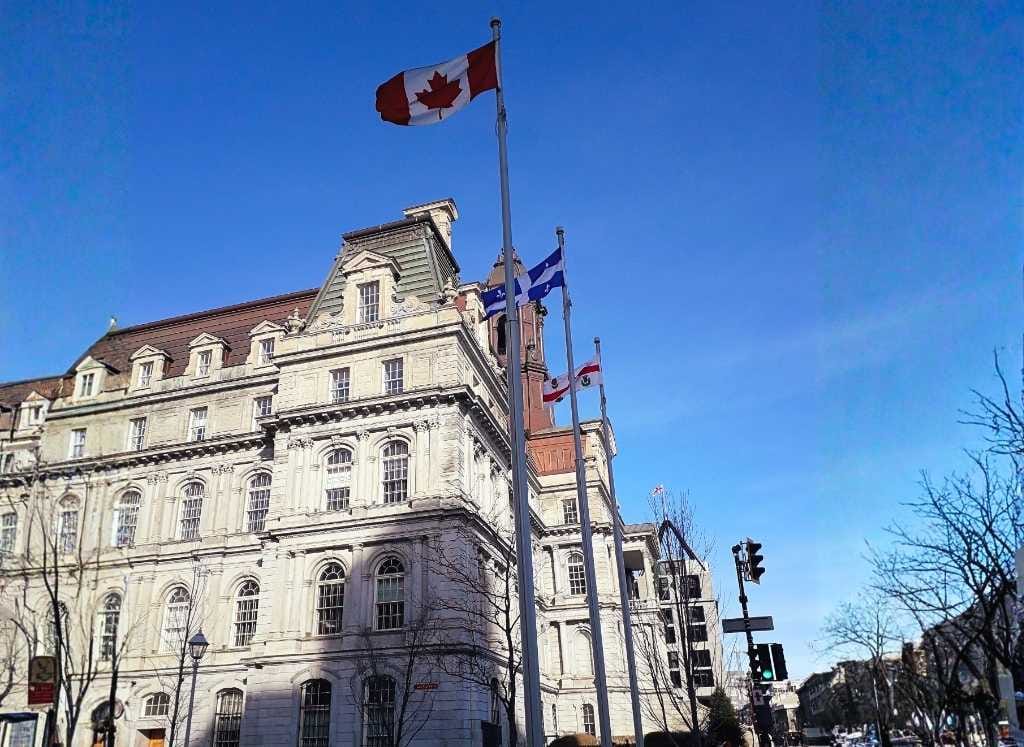
As the historic epicenter of the city, Old Montréal features remarkably preserved 17th-century heritage buildings and scenic cobblestone streets. This historic district seamlessly marries European charm with a sophisticated modern atmosphere, making it a cornerstone of the city’s cultural tourism.
Notre-Dame Basilica.
A masterpiece of Gothic Revival architecture, the Notre-Dame Basilica is renowned for its interior craftsmanship. The sanctuary features a dramatic, deep-blue vault adorned with golden stars, intricate wooden carvings, and stained-glass windows that chronicle the city’s religious history.
Mount Royal Park.
Designed by Frederick Law Olmsted, this urban green space offers a panoramic view of the Montréal skyline. A trek to the Kondiaronk Belvedere summit provides with sweeping views of the downtown core and the Saint Lawrence River.
The Barbie Expo.
I did love this exposition of Barbie! Situated within the elegant Les Cours Mont-Royal, this premier fashion exhibition is the largest permanent display of Barbie dolls in the world. The admission-free gallery showcases over one thousand dolls styled in exquisite haute couture ensembles by legendary global designers.
Saint Joseph’s Oratory of Mount Royal.
As Canada’s largest church, this monumental basilica is a striking architectural feat crowned by one of the world’s largest domes. Perched on the slopes of Mount Royal, its grand terrace offers spectacular, sweeping vistas across the urban landscape.
Bonsecours Market.
Recognisable by its silver dome, this historic public market is a landmark of neoclassical architecture. Today, the heritage building serves as a bustling venue showcasing high-end local boutiques, artisanal crafts, and fashion by French Canadian designers.

📍 Québec City.
Out of every place I visited during my stay in Canada, Québec City was my absolute favourite. And I say that having lived in Vancouver for months and having visited several other Canadian cities.
I think it came down to something simple: Québec City looks and feels European. After almost a month on the sleek, modern West Coast, walking through the walled city of Vieux-Québec, a UNESCO World Heritage Site, was like stepping straight into a Christmas snow globe. Snow-dusted rooftops, horse-drawn calèches clattering over cobblestones, and the Château Frontenac looming over it all like something out of a fairy tale.
Discover below the most iconic attractions and must-visit landmarks in Québec City.
Rue du Petit-Champlain and Place Royale.
As the cradle of French civilisation in North America, this historic sector is renowned for its narrow, pedestrian streets and impeccably preserved 17th-century stone architecture. Adorned with ambient seasonal lighting and home to upscale artisan boutiques, it captures the authentic essence of a historic European village.
Fairmont Le Château Frontenac.
Dominating the city’s skyline from Cape Diamond, this iconic luxury hotel is a masterpiece of Châteauesque architecture. Widely recognised as the most photographed hotel in the world, its dramatic turrets and grand facade offer a fairytale-like vista, particularly when blanketed in winter snow.
Notre-Dame de Québec Basilica-Cathedral.
Situated in the heart of Old Québec, this majestic minor basilica is a cornerstone of Canadian religious heritage. As a registered National Historic Site, its neoclassical interior and centuries-old architectural grandeur contribute significantly to the city’s ancient charm.
The Fortifications of Québec.
Québec City holds the distinction of being the only remaining fortified city north of Mexico. Stretching close to 4.6 km, these historic ramparts, bastions, and defensive gates offer an immersive look into 17th-century military engineering and the city’s rich colonial history.
Montmorency Falls Park.
Located just minutes from the historic core, this striking natural site features a waterfall that stands 30 metres higher than Niagara Falls. In the winter months, the surrounding cliffs transform into a dramatic, snow-covered alpine landscape, complete with an impressive ice cone known as the pain de sucre (sugar loaf).
Érico Choco-Musée.
This charming boutique and museum offers a sophisticated cultural retreat from the crisp Canadian winter. Visitors can explore the history of chocolate production through historical artifacts before indulging in premium, artisanal confections handcrafted on-site.

🛏️ Where to Stay in Montréal and Québec City.
When I travelled to Montréal and Québec City (and Ottawa just before my hospitalisation), I stayed solely in hostels to save some money. Even though I was used to the hostel environment from my previous trips in Europe, I found the Canadian hostels to be quite poor and, honestly, a bit dirty.
Based on my personal experience, even if it dates back to 2018–2019, I would not recommend staying in hostels in Canada. Instead, look for a good, affordable hotel or a cosy guesthouse but make sure it’s located near a station or well-connected to public transport. Below, I have handpicked a few options for you but keep in mind that prices are indicative and may vary depending on your travel dates.
- Hotel les Suites Labelle (Montréal). Located next to the Berri-UQAM metro station, this property offers spacious apartment-style suites with kitchenettes. At €80 per night, it provides excellent value for money and includes breakfast.
- Maison Sainte-Thérèse By Maisons & co (Montréal).This sophisticated boutique aparthotel boasts apartments with kitchenettes right in the historic heart of Old Montreal with self-check-in. Priced at €130 per night with a morning croissant included.
- Auberge Château Des Tourelles – Par Aneyro (Quebéc City). Set in the St-Jean-Baptiste district just ten minutes from Old Quebec’s historic walls, this 1898 inn offers an autonomous digital check-in stay for €80 per night.
- Hotel AtypiQ (Quebéc City). Located steps from Château Frontenac, this unique hybrid hotel features compact rooms with innovative ceiling-retractable beds. From €150 per night, the price includes a 24/7 self-service breakfast in a communal kitchen, a garden, and a rooftop.
Nevertheless, if you are looking for something different, Booking.com has a brilliant variety of stays tailored to every budget and travel style.
🍜 What to Eat in French Canada.
The Canadian food scene is a mosaic of flavours that reflects its multicultural entity rather than local culinary tradition.
First of all, you cannot visit Canada without tasting the undisputed queen of its street food: poutine. It’s a comforting triumph of crispy chips covered in cheese curds and a thick hot gravy.
Québec delights the palate with the rustic tourtière, a fragrant, spiced meat pie typical of the festive season. And also tire d’érable (or maple taffy on the snow): which is a traditional French-Canadian winter treat. It consists of boiled maple syrup poured directly onto fresh snow and rolled onto a wooden stick.
Smoked meat sandwiches are a Montréal institution. The city has its own style, slow-cured brisket, piled high, served on rye, that is quite unlike anything you will find elsewhere. Montreal bagels are denser and sweeter than New York bagels, baked in wood-fired ovens and eaten fresh.
Suggested Restaurants.
- Schwartz’s Deli in Montréal. It isn’t a luxury restaurant, but a true historic institution (open since 1928). It is the ultimate place to try the iconic Montréal smoked meat served in a classic sandwich with mustard.
- La Banquise in Montréal. The legendary 24-hour poutine restaurant on Rue Rachel. Here there are over 30 varieties on the menu!
- Aux Anciens Canadiens in Québec City. If you are looking for total immersion in Québec tradition, this is the perfect spot. Situated in the city’s oldest house (dating back to 1675), it serves historic dishes such as pea soup, tourtière, meatball stew, and maple syrup pie.
- Tim Hortons (different locations). You literally cannot walk a few blocks in Canada without seeing one. It is the ultimate cheap, cheerful, and comforting coffee shop. You absolutely have to try their classic filter coffee, a breakfast bagel, and of course, a box of ‘Timbits’ (their famous, bite-sized doughnut holes).
- Swiss Chalet (different locations). For a truly classic Canadian sit-down meal, this restaurant chain is an absolute institution. It is famous across the country for its slow-roasted rotisserie chicken and ribs.
- BeaverTails (different locations). Pop over to this kiosk to taste the famous “BeaverTail”, a sweet, tail-shaped fried dough topped with sugar, cinnamon, or chocolate. It is the quintessential Canadian snack!
🎫 Where to Buy Tickets.
You can buy tickets for the various attractions either on the spot or conveniently online via Tiqets.
As for guided tours and organised excursions, I’d recommend having a look at GetYourGuide. The areas surrounding both cities boast some breathtaking natural scenery, If, on the other hand, you’d like to extend your trip, there are some wonderful multi-day tours of Toronto that also include a visit to Niagara Falls, departing from Montréal.
💡 Travel Tips.
Visa and Entry Requirements.
Depending on where your passport is from, you’ll likely need an eTA (Electronic Travel Authorization) or a visitor visa to fly into Canada. The eTA is super quick and you can apply for it online!
When you arrive, border officers can sometimes be a bit strict. Make sure you have proof of a return ticket and evidence of sufficient funds to cover your stay ready on your phone or printed out, just in case they ask. It saves so much stress!
Travel Insurance.
Travel insurance is non-negotiable in North America. Healthcare costs here are astronomical and if you caught my previous Canada post, you already know how expensive medical care can get, especially when managing a chronic illness.
If you are also living with Type 1 Diabetes, I highly recommend checking out my article to the best insurance policies for diabetics.
Pack for serious cold.
Montréal and Québec City in December can drop to minus 20°C or below. This is not fashion-weather, this is survival gear. Thermal base layers, a proper windproof and insulated coat, snow boots with grip, and a hat that actually covers your ears are necessary. Do not underestimate it.
Language.
French is the working language in both cities. Signs, menus, and announcements are in French first. Most people in tourist-facing roles speak excellent English, but a few words of French go a very long way, even just “bonjour” and “merci” will be warmly received.
eSIM.
Buying an eSIM for a trip to Vancouver is the most practical and eco-friendly way to stay connected and avoid high roaming charges. You can choose and purchase your data plan online before you set off (through providers such as Airalo, Saily, Quibity and Yesim) and set it up in just a few minutes by scanning a simple QR code. This way, as soon as you land at the airport, your phone will automatically connect to the main Canadian networks, giving you instant internet access so you can explore the city without a care in the world.
🎁 Use the referral code below to register on Yesim and unlock your €5 discount 🎁
UKUO6728
Getting around Montréal and Québec.
The Montréal Métro is clean, affordable, and covers all the main neighbourhoods. Pick up an OPUS card for pay-as-you-go travel. Vieux-Montréal is walkable but icy in winter so wear boots with grip.
Public transport in Québec City is operated by the Réseau de transport de la Capitale (RTC). The network relies heavily on an extensive bus system, as there is no subway or light rail.
VIA Rail runs comfortable trains between Montréal and Québec City in about 3 hours. Book ahead for the best fares. The Orléans Express bus is a cheaper alternative if you are on a tight budget. Or you can even consider Kangaride, a Canadian carpooling service similar to BlaBlaCar.
Beware of the VAT.
The price on any menu or label is never what you pay in the end. GST and PST (provincial sales tax) are added at checkout, and in Québec Province you will pay closer to 15% on top of the listed price. Budget accordingly.
🎈 Conclusion.
French Canada has a completely different vibe compared to the West Coast. I arrived expecting a cold, quiet interlude between Christmas and New Year, but I left having found my favourite city in the entire country, eaten incredible food, and wandered through streets that felt beautifully familiar.
If you are travelling across Canada and looking for more inspiration, don’t miss my 5-day Vancouver itinerary and my guide to the stunning Butchart Gardens near Victoria, the Capital of the British Columbia.
💬 And you? Are you Team Montréal or Team Québec City? Tell me in the comments which one would you like to visit!
☕ Did you find this post helpful? If you’d like, you can support my blog by treating me to a virtual coffee!

Are you dreaming of your next trip but not sure where to start?
Book a 1:1 travel consultation or request a personalised itinerary and I will design the trip of your dreams!
✨Click the button below for my Travel Services✨
