


Last Updated on August 13, 2026 by Nadia Halfway
📜 Introduction.
So, are you thinking of taking a solo female trip? That is absolutely brilliant! Travelling alone as a woman is one of the most liberating, empowering, and exciting things you will ever do.
But, let’s be real: it’s completely normal to feel a bit nervous and scared. The world can feel like a big place, and we’ve all heard the scary stories and we’re bombarded with scary news and horrible scenarios of what could happen.
But here’s the truth: the vast majority of solo trips are totally safe and incredibly fun. The key isn’t to be scared; it’s to be prepared and always cautious.
Based on my past experiences, I’ve put together this ultimate guide of solo female travel tips to enjoy your trip and not let fear stop you. Think of this as a checklist from a friend who wants you to have the best time and get home in one piece.
⚠️Disclaimer: The products listed below are Amazon affiliate links. If you decide to purchase through them, I’ll earn a small commission at no extra cost to you. Please also bear in mind that prices may vary and products may become unavailable at any time!
The product images are taken directly from Amazon and are not my own pictures.
🧳 Preparation is Your Best Friend.
Safety doesn’t start when you land. It starts when you plan your trip.
Research the Country you’re visiting.
Let’s be brutally honest for a moment. The sad reality is that some parts of the world are simply more dangerous, misogynistic, or culturally hostile towards independent women than others. Researching a destination isn’t just about knowing the local greeting or tipping etiquette: it’s a vital safety step. Before you book, dig deep into the real attitudes towards women in that country. Are rates of gender-based violence high? Is street harassment common? Don’t just look at pretty Instagram photos. Are there any conflicts going on? Safety risk of a new pandemic? Read government travel advice and forums specifically for female travellers to get the unvarnished truth. Going in blind to a potentially volatile environment is a risk you don’t need to take.
Register with Your Embassy.
In the event of an emergency, unforeseen circumstances or accidents, it is essential that you are found as soon as possible by the relevant authorities. Register your entire trip with your home country’s embassy so you can be located in case of natural disasters or political emergencies.
Share Your Entire Itinerary.
Before you leave, ensure someone back home (your family, best friend, partner) knows exactly where you are travelling to, where you are staying, where you are going, and which activity you are going to do. Create a Google Doc, include flight numbers, hotel addresses, and booking references, and a daily summary of your plan. You can take a look at my article on How to Plan the Perfect Trip to design your itinerary day-by-day. If your plans change mid-trip, send a quick text to inform your loved ones at home and make time to update the Google Doc too.
Stay Connected: Get a Local SIM or an eSIM.
Don’t rely solely on hotel connection and free Wi-Fi. You need to be able to use maps, call a taxi, or contact someone in an emergency whilst you’re out and about. Buy a local SIM card at the airport when you arrive, or sort out an eSIM before you fly. Having data is a major safety net.
Get Comprehensive Travel Insurance.
Medical emergencies or stolen items can put you in a very vulnerable position abroad. Having a reliable travel insurance is a massive safety net. Never set off without it, especially when travelling to destinations where medical care is prohibitively expensive.
Know the Emergency Numbers.
I hope you never need them, but you must know them. Before you arrive in a new country, research the local equivalent of 999 for police and ambulance. Save these numbers in your phone immediately.
Back-Up Your Documents.
Scan your passport, travel insurance policy, and important booking confirmations. Email them to yourself and save them to a secure cloud service like Dropbox or Google Drive. Plus, have several hard copies kept in a few different bags. If your wallet gets pinched, you won’t be totally stranded.
Cards and Payments.
These days, almost every merchant accepts card payments, even in developing countries or the most remote villages. You can pay with a card, your phone, or even your smartwatch, so there’s rarely a need to carry cash. Still, it’s worth packing a backup card and leaving it safely at your accommodation. If your bag with phone, and wallet ever get stolen, you’ll still have a way to withdraw money and pay for things. My backup card is with my usual bank (BBVA), while for travel I mainly use Revolut: it’s easy to use, has minimal exchange fees, and comes packed with handy features for people on the move.
Arrival During Daylight.
One of the golden rules of solo travel is booking flights, trains, or buses that arrive at a new destination during the day. Navigating a new city, finding your accommodation, and assessing the vibe of a neighbourhood are much safer and less stressful when the sun is up.
🏨 Smart Accommodation Habits.
Your accommodation should be as safe as your home. Here’s how to keep it secure.
Research the Neighbourhood.
Before booking that cute Airbnb or party hostel, check the location on a map. Is it near public transport? Is the area known to be dodgy at night? Read reviews specifically from other solo female travellers. They often mention safety aspects that other travellers an tourists miss.
Never Say Where You Are Staying.
When you’re out meeting new people, be vague about your accommodation. If someone asks where you’re staying, just name a large nearby landmark or the general neighbourhood. You never want a stranger to know exactly which hotel is yours. For the same reason, do not post stories tagging your hotel. Or do it as soon as you check out.
The “Do Not Disturb” Trick.
When you leave your room for the day, put the “Do Not Disturb” sign on the door. It gives the impression that someone is still inside. Also, if possible, leave the TV on low volume to add to the illusion. If you share an accommodation, always bring a padlock to save your most important items.
Keep the Hotel or Hostel Staff Informed.
Even though reception desks can be manic and staff see hundreds of faces a day, you’d be surprised how much they actually notice, especially a woman travelling on her own. Use this to your advantage! Before you head out, pop by the desk for a quick chat. Casually mention what you are doing or where you are going that day. It doesn’t have to be a formal report, just a friendly heads-up. It ensures that someone locally knows roughly where you are supposed to be, just in case you don’t turn up when expected.
👗 Street Smarts and Blending In.
Navigating a new city alone is all about confidence and awareness.
The Fake Wedding Ring.
This is an old trick, but a good one. Wearing a simple, cheap wedding band can act as a surprisingly effective deterrent to unwanted male attention. It signals that you are unavailable without you having to say a word. Obviously someone will try anyway, but at least you’ll be more prepared.
Walk With Purpose.
Try not to look like a lost tourist. Even if you have no idea where you are, walk with confidence and head up. If you need to check Google Maps, pop into a shop or café rather than standing on a street corner staring at your phone.
The “Dress Code”.
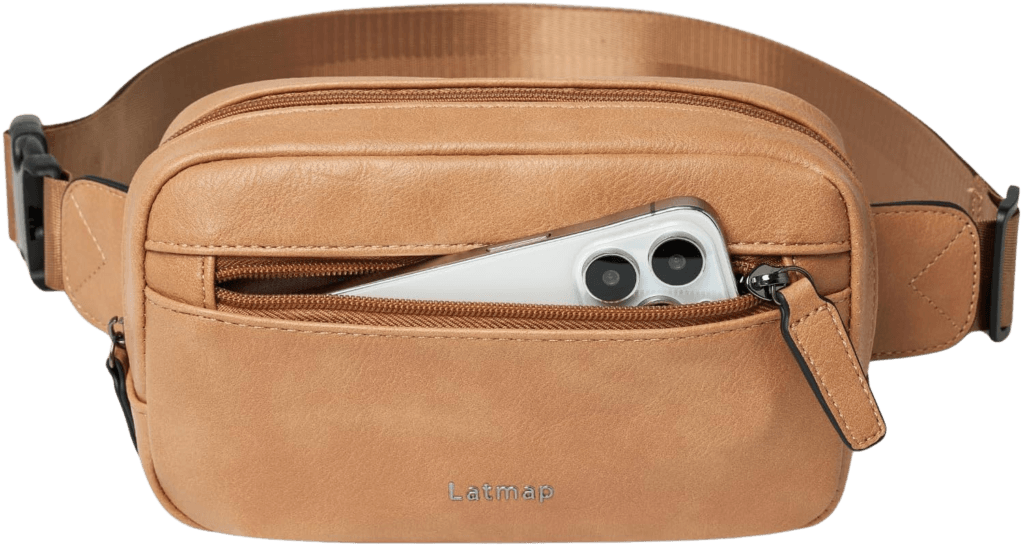
I know you’ve packed those gorgeous outfits and you want those stunning holiday photos. But sometimes, you have to compromise style for safety. In many conservative or strongly religious destinations, revealing clothes can unfortunately draw intense, unwanted, and sometimes aggressive male attention. It immediately marks you out as an outsider. Dressing modestly isn’t just about respecting local customs: it can be a genuine safety shield. Furthermore, walking around with a designer handbag, expensive jewellery, or flashy tech is basically wearing a neon sign that says “I have money.” Don’t make yourself a target for pickpockets or muggers. Keep your look low-key and leave the expensive accessories at home. Invest in a nice bum bag to keep your absolute essentials secure and right in front of you. Leave only the low-value items in your backpack, like a water bottle, a snack, or a jumper.
💰 Click here to get yours for only €28.99 💰
Little White Lie.
If someone is bothering you or asking too many personal questions, it is perfectly okay to lie. Tell them your husband is waiting for you back at the hotel or that you are meeting friends around the corner in five minutes. These little lies create a “safety buffer” and suggest you aren’t truly alone.
Public Transport.
Try your best to avoid ending up in deserted stations or sketchy areas especially after dark. Definitely skip those long bus rides late at night, and if you’re taking the train, always avoid sitting in empty carriages.
Walking After Dark.
When the sun goes down, avoid walking long distances, especially in quiet areas. If it is past 9 PM, you should also avoid public transport and take a taxi instead. Ideally, use a ride-sharing app like Uber or Bolt. Why an app? It tracks your journey via GPS, you have the driver’s details, and you don’t need cash. It’s much safer than hailing a random cab off the street at night. In this post, you can find a summary of the best taxi apps around the world.
🌃 Nightlife and Socialising.
You absolutely should enjoy the social environment, but the rules change slightly after dark.
Watch Your Drinks Like a Hawk.
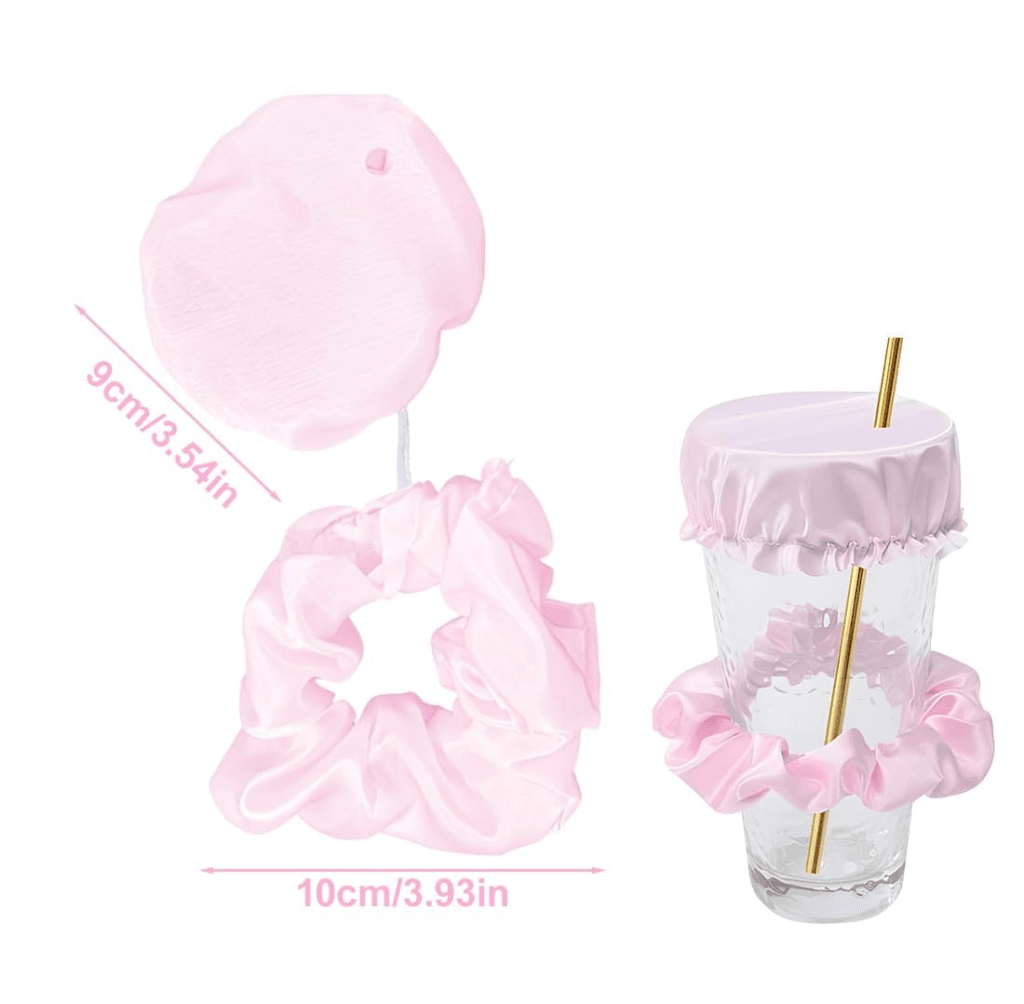
This applies at home too, but it’s doubly important abroad. Do not accept drinks from strangers unless you watch the bartender pour your drink and hand it directly to you. Never leave your drink unattended. If you need the loo, either finish your drink first or buy a new one when you get back. In order to be even more sure, you should consider buying an anti-spike cap to put on your drink like the one below.
💰 Click here to get yours for only €7.99 💰
Know Your Limits.
It’s fun to let your hair down, but getting absolutely wasted when you are alone in a strange city makes you vulnerable. Do not drink too much. Keep a clear head so you can navigate your way home safely.
Trusting Strangers and Dating Apps.
As a solo female traveller, it’s easy to get noticed and approached. And it’s completely normal to want to flirt a little or hop on Tinder for the thrill of going on a date with a local or a fellow traveller. Unfortunately, when you’re in a brand-new country, you never really know who is standing in front of you or hiding behind a screen. I tell you this from the bottom of my heart: please avoid going home with strangers you just met at a bar, and skip the blind dates with your dating app matches. Your safety always comes first! You are naturally a bit more vulnerable when travelling alone, so you can literally never be too careful.
⛰️ Adventures and Activities.
Be adventurous, but don’t take unnecessary gambles with nature or with people.
Don’t Trek Into the Wild Alone.
Hiking and trekking are amazing experiences, but do not go alone to hike in the mountains or remote areas. If you twist an ankle on a deserted trail with no phone signal, you will be in serious trouble. Always join a guided group or find other (reliable) travellers to go with.
Be Careful at the Beach.
Venturing too far out into the ocean, or even just sunbathing on the beach, can actually come with some serious risks. The sea can get rough super fast, and you really don’t want to risk struggling to make it back to shore. As for your personal belongings, heavily crowded beaches are unfortunately a pickpocket’s paradise. Only bring the absolute bare essentials with you! I highly recommend getting a waterproof pouch and phone case so you can take your phone and documents right into the water with you. Deserted beaches might look like a dream, but since you are completely alone, they can sometimes hold unpleasant surprises. When you’re travelling solo, I definitely suggest choosing a beach that might be a little less wild, but comes equipped with beach facilities to safely leave your things and a lifeguard keeping an eye on the area.
Do Not Hitchhike or Accept a Ride from a Stranger.
Just don’t do it. It’s simply not worth the risk and it is illegal in many countries. There are plenty of other ways to get around.
Trust Your Gut.
This is perhaps the most important advice of this entire guide: women have incredibly powerful intuition. If you are on a group tour, a date, or just talking to someone and the situation feels wrong (even if you can’t explain why), just leave. Don’t worry about seeming rude. Your safety is more important than someone else’s feelings. If your gut says “go”, you go.
🙅🏻♂️ Don’t Be Fooled by Male Narratives.
I’m all for gender equality, and in an ideal world we women would have exactly the same rights and privileges as men. Unfortunately, that’s not the reality we live in.
Walking alone at night, getting drunk at a bar, hitchhiking, or accepting an invitation into a stranger’s home simply carry more risk for us.
That’s why I’d encourage you to tune out the narrative pushed by certain male travellers: the ones who talk about total freedom and boundless hospitality from every village they pass through. The ones who brag about dinners with families they met on the road, hitchhiking across borders, or camping wild in the middle of nowhere. I’m not saying men never face danger, they absolutely can. But there’s a world of difference between being robbed and being sexually assaulted, especially in countries where women have few, if any, rights.
❓ FAQ.
Yes, the vast majority of solo trips are completely safe. Millions of women travel alone every year. The key is preparation: research your destination, trust your instinct, and follow basic precautions.
Avoid arriving somewhere late at night without a plan, sharing your exact accommodation on social media, and getting visibly drunk in unfamiliar places. Small habits like these make a bigger difference than any gadget.
Look for accommodation with 24-hour reception, good reviews from other solo female travellers, and a central, well-lit location. Female-only dorms and hostels with strong lock systems are worth prioritising on a budget.
Stay calm, keep your answers vague, and walk confidently towards a public, populated area. Wearing a fake wedding ring or mentioning a partner “waiting nearby” can also help you exit without confrontation.
Solo trekking is not among the safest activities you can do and needs to be planned carefully: stick to well-marked trails, share your route and return time with someone, and avoid setting off too close to sunset. Popular trails with other hikers around are safer than remote, isolated ones.
🎈 Conclusion.
Taking that first step might feel a bit daunting, but solo travel is the most wonderful gift you can give yourself.
It’s not about being fearless, it’s about being smart and prepared. By trusting your instincts and following these practical tips, you can minimise the risks and focus on the magic of the journey. If you have already booked your ticket, check out my post about essential items you need to travel safely.
Embracing solo female travel opens doors to experiences (and a version of yourself) you never knew existed. The world is yours to explore, so go book that ticket. You’ve absolutely got this!
💬 And you? Are you planning your first female solo trip, or are you a seasoned traveller? Share your doubts and advice below and let’s build a community to help each other see the world safely!
☕ Did you find this post helpful? If you’d like, you can support my blog by treating me to a virtual coffee!

Want to stay updated with my latest itineraries, receive practical guides and unique travel tips, and enjoy exclusive discounts on hotels, flights, and activities?
✨Click the button below and join my community of travel girls!✨
